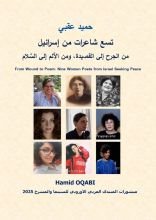
كتاب تسع شاعرات من إسرائيل
من الجرح إلى القصيدة، ومن الألم إلى السلام
تأليف : Hamid Oqabi (حميد عقبي)
النوعية : الشعر
تسع شاعرات من إسرائيل: من الجرح إلى القصيدة، ومن الألم إلى السلام
للناقد والشاعر اليمني حميد عقبي
هذا الكتاب ليس دراسة أكاديمية تقليدية، ولا بيانا سياسيا مباشرا، بل محاولة صادقة للإنصات إلى أصوات تسع شاعرات نسويات من إسرائيل، هن: راحيل، زلدا، داليا رافيكوفيتش، طال نيتسان، روضة مرقس، آيات أبو شميس، هيلا لاهاف، عدي قيصر، ويائيل إيزنبرغ. يأتين من خلفيات إثنية وثقافية ودينية متباينة، بعضهن من الجيل المؤسس للشعر العبري النسوي، وأخريات من جيل شاب متمرد يسائل المجتمع واللغة والهوية. يجمعهن أن الشعر بالنسبة لهن ليس زينة بل فعل حياة، ليس ترفا بل مقاومة ناعمة، ونداء صادق نحو العدالة والسلام.
أهمية هذه التجارب أنها تعيد تعريف الشعر بوصفه مساحة إنسانية، فيها الجسد مركز للمعنى، والذاكرة مجال للصراع، واللغة أداة لفضح التهميش والعنف البنيوي. من خلال نصوصهن، نلمس كيف يتحول الحزن الشخصي إلى احتجاج، وكيف يصبح الجرح الفردي مرآة لمأساة جماعية. عدي قيصر، مثلا، كسرت مركزية الشعر الأكاديمي بإطلاق مشروع "عرس بوتيكا"، حيث الشعر يغدو احتفالا شعبيا بالهوية المشرقية المهمشة. طال نيتسان تكتب همسا من قلب الجرح، لتكشف قسوة التفاصيل اليومية في ظل عسكرة الحياة. آيات أبو شميس تمثل حالة انقسام هوياتي، تكتب بالعبرية كعربية مسلمة لتجعل من اللغة نفسها ساحة مقاومة. أما روضة مرقس، فهي صوت كويري فلسطيني يكتب من المنفى الداخلي، من بيت لا يعترف بساكنه. يائيل إيزنبرغ تمزج بين الغناء والقصيدة، لتمنح نصوصها بعدا شفويا واعترافيا.
القاسم المشترك بين هؤلاء جميعا هو رفض الصمت، والبحث عن معنى مختلف للسلام، سلام يبدأ من الداخل، من القدرة على تحويل الألم إلى لغة، والخذلان إلى جمال هش، والمحو الرمزي إلى حضور شعري لا يمكن إنكاره.
الكتاب لا يحاكم هذه التجارب ولا يسعى إلى تطويعها داخل قوالب ضيقة. أسلوب الناقد حميد عقبي يقوم على الإصغاء، على تقديم قراءة سينمائية ومسرحية للنصوص، تلتقط الصمت كما تلتقط الإيقاع، وتتعامل مع القصيدة كمشهد حي، أكثر مما هي بنية لغوية مغلقة. هو يصر على أن يكون الشعر شعرا قبل أي شيء، وأن نقترب من هذه الأصوات كحمائم سلام صغيرة، قد لا توقف الحروب لكنها تذكرنا بالكرامة الإنسانية، وتفتح نوافذ للأمل.
إن أهمية هذا المشروع تكمن في جرأته على اقتحام منطقة شبه مجهولة في النقد العربي، حيث تندر المراجع حول الشعر العبري النسوي أو الفلسطيني المكتوب بالعبرية. هو جهد أولي لكنه ثمين، لأنه يؤكد أن معرفة "الآخر" لا تعني التطبيع أو التبرير، بل تعني فتح حوار إنساني عبر الكلمة.
ما أحوجنا، في عالم تمزقه الحروب والانقسامات، إلى مثل هذه الأصوات، إلى قصائد لا تخاف من تسمية الجرح، ولا تتردد في رفع راية المحبة. إنهن يكتبن كي يبقين على قيد الحياة، ولكي يذكرننا أن الشعر، في لحظاته الأصدق، يمكن أن يكون أقوى من كل قسوة، وأجمل من كل شعارات جوفاء.
-------------------------------------------------------------
From Wound to Poem: Nine Women Poets from Israel Seeking Peace _ By : Hamid Oqabi
This book introduces the work of nine women poets from Israel whose writing reflects diverse cultural, religious, and generational backgrounds. The poets—Rahel, Zelda, Dahlia Ravikovitch, Tal Nitzan, Rauda Morcos, Ayat Abou Shmeiss, Hila Lahav, Adi Keissar, and Yael Eisenberg—share one essential quality: they turn pain, division, and memory into poetry that speaks of resistance, survival, and a deep longing for peace.
The book does not follow a strict academic method. Instead, it uses a reflective and almost cinematic approach, reading poems as living experiences. The critic listens to the rhythms of silence, the body, and daily life as they appear in the texts. The goal is not to classify or judge, but to open space for understanding and appreciation.
Each poet offers a distinct voice. Rahel and Zelda, early pioneers of Hebrew women’s poetry, combine spirituality, solitude, and lyrical intimacy. Dahlia Ravikovitch extends this legacy with powerful critiques of social inequality and war. Tal Nitzan writes in a quiet, subtle style that exposes how violence and militarism shape everyday life.
Adi Keissar challenges cultural hierarchies by founding “Poetry Slam” spaces that celebrate Mizrahi identity and bring poetry to wide audiences. Rauda Morcos, as a Palestinian queer feminist poet, writes from the experience of displacement and silencing. Ayat Abou Shmeiss, a Muslim Arab woman writing in Hebrew, uses the language of the “other” to expose the fractures of identity and belonging. Hila Lahav and Yael Eisenberg represent younger generations who mix music, performance, and poetry, often addressing gender, sexuality, and the search for inner peace.
Across all these voices, common themes emerge: the female body as both sanctuary and battleground, resistance to silence and marginalization, the burden of history and memory, and the fragile hope for reconciliation. Peace, in their work, is not presented as a political slogan but as a personal and poetic necessity—something that begins within the self.
This book is important because it opens a door to voices rarely studied in Arabic or international contexts. It encourages readers to see poetry not as decoration, but as a form of life and testimony. By presenting these poets without polemics or harsh judgments, the book invites us to value poetry as a gentle act of resistance and as a call for human dignity.
In times of conflict and division, such voices remind us of the need for every “dove of peace.”
تسع شاعرات من إسرائيل: من الجرح إلى القصيدة، ومن الألم إلى السلام
للناقد والشاعر اليمني حميد عقبي
هذا الكتاب ليس دراسة أكاديمية تقليدية، ولا بيانا سياسيا مباشرا، بل محاولة صادقة للإنصات إلى أصوات تسع شاعرات نسويات من إسرائيل، هن: راحيل، زلدا، داليا رافيكوفيتش، طال نيتسان، روضة مرقس، آيات أبو شميس، هيلا لاهاف، عدي قيصر، ويائيل إيزنبرغ. يأتين من خلفيات إثنية وثقافية ودينية متباينة، بعضهن من الجيل المؤسس للشعر العبري النسوي، وأخريات من جيل شاب متمرد يسائل المجتمع واللغة والهوية. يجمعهن أن الشعر بالنسبة لهن ليس زينة بل فعل حياة، ليس ترفا بل مقاومة ناعمة، ونداء صادق نحو العدالة والسلام.
أهمية هذه التجارب أنها تعيد تعريف الشعر بوصفه مساحة إنسانية، فيها الجسد مركز للمعنى، والذاكرة مجال للصراع، واللغة أداة لفضح التهميش والعنف البنيوي. من خلال نصوصهن، نلمس كيف يتحول الحزن الشخصي إلى احتجاج، وكيف يصبح الجرح الفردي مرآة لمأساة جماعية. عدي قيصر، مثلا، كسرت مركزية الشعر الأكاديمي بإطلاق مشروع "عرس بوتيكا"، حيث الشعر يغدو احتفالا شعبيا بالهوية المشرقية المهمشة. طال نيتسان تكتب همسا من قلب الجرح، لتكشف قسوة التفاصيل اليومية في ظل عسكرة الحياة. آيات أبو شميس تمثل حالة انقسام هوياتي، تكتب بالعبرية كعربية مسلمة لتجعل من اللغة نفسها ساحة مقاومة. أما روضة مرقس، فهي صوت كويري فلسطيني يكتب من المنفى الداخلي، من بيت لا يعترف بساكنه. يائيل إيزنبرغ تمزج بين الغناء والقصيدة، لتمنح نصوصها بعدا شفويا واعترافيا.
القاسم المشترك بين هؤلاء جميعا هو رفض الصمت، والبحث عن معنى مختلف للسلام، سلام يبدأ من الداخل، من القدرة على تحويل الألم إلى لغة، والخذلان إلى جمال هش، والمحو الرمزي إلى حضور شعري لا يمكن إنكاره.
الكتاب لا يحاكم هذه التجارب ولا يسعى إلى تطويعها داخل قوالب ضيقة. أسلوب الناقد حميد عقبي يقوم على الإصغاء، على تقديم قراءة سينمائية ومسرحية للنصوص، تلتقط الصمت كما تلتقط الإيقاع، وتتعامل مع القصيدة كمشهد حي، أكثر مما هي بنية لغوية مغلقة. هو يصر على أن يكون الشعر شعرا قبل أي شيء، وأن نقترب من هذه الأصوات كحمائم سلام صغيرة، قد لا توقف الحروب لكنها تذكرنا بالكرامة الإنسانية، وتفتح نوافذ للأمل.
إن أهمية هذا المشروع تكمن في جرأته على اقتحام منطقة شبه مجهولة في النقد العربي، حيث تندر المراجع حول الشعر العبري النسوي أو الفلسطيني المكتوب بالعبرية. هو جهد أولي لكنه ثمين، لأنه يؤكد أن معرفة "الآخر" لا تعني التطبيع أو التبرير، بل تعني فتح حوار إنساني عبر الكلمة.
ما أحوجنا، في عالم تمزقه الحروب والانقسامات، إلى مثل هذه الأصوات، إلى قصائد لا تخاف من تسمية الجرح، ولا تتردد في رفع راية المحبة. إنهن يكتبن كي يبقين على قيد الحياة، ولكي يذكرننا أن الشعر، في لحظاته الأصدق، يمكن أن يكون أقوى من كل قسوة، وأجمل من كل شعارات جوفاء.
-------------------------------------------------------------
From Wound to Poem: Nine Women Poets from Israel Seeking Peace _ By : Hamid Oqabi
This book introduces the work of nine women poets from Israel whose writing reflects diverse cultural, religious, and generational backgrounds. The poets—Rahel, Zelda, Dahlia Ravikovitch, Tal Nitzan, Rauda Morcos, Ayat Abou Shmeiss, Hila Lahav, Adi Keissar, and Yael Eisenberg—share one essential quality: they turn pain, division, and memory into poetry that speaks of resistance, survival, and a deep longing for peace.
The book does not follow a strict academic method. Instead, it uses a reflective and almost cinematic approach, reading poems as living experiences. The critic listens to the rhythms of silence, the body, and daily life as they appear in the texts. The goal is not to classify or judge, but to open space for understanding and appreciation.
Each poet offers a distinct voice. Rahel and Zelda, early pioneers of Hebrew women’s poetry, combine spirituality, solitude, and lyrical intimacy. Dahlia Ravikovitch extends this legacy with powerful critiques of social inequality and war. Tal Nitzan writes in a quiet, subtle style that exposes how violence and militarism shape everyday life.
Adi Keissar challenges cultural hierarchies by founding “Poetry Slam” spaces that celebrate Mizrahi identity and bring poetry to wide audiences. Rauda Morcos, as a Palestinian queer feminist poet, writes from the experience of displacement and silencing. Ayat Abou Shmeiss, a Muslim Arab woman writing in Hebrew, uses the language of the “other” to expose the fractures of identity and belonging. Hila Lahav and Yael Eisenberg represent younger generations who mix music, performance, and poetry, often addressing gender, sexuality, and the search for inner peace.
Across all these voices, common themes emerge: the female body as both sanctuary and battleground, resistance to silence and marginalization, the burden of history and memory, and the fragile hope for reconciliation. Peace, in their work, is not presented as a political slogan but as a personal and poetic necessity—something that begins within the self.
This book is important because it opens a door to voices rarely studied in Arabic or international contexts. It encourages readers to see poetry not as decoration, but as a form of life and testimony. By presenting these poets without polemics or harsh judgments, the book invites us to value poetry as a gentle act of resistance and as a call for human dignity.
In times of conflict and division, such voices remind us of the need for every “dove of peace.”
المزيد...