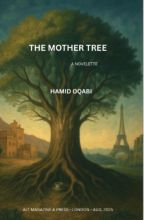
The Mother Tree
تأليف : Hamid Oqabi (حميد عقبي)
التصنيف: روايات
نعتذر، هذا الكتاب غير متاح حاليًا للتحميل أو القراءة لأن المؤلف أو الناشر لا يسمح بذلك في الوقت الحالي.
The Mother Tree by Yemeni Author Hamid Oqabi
-------------------
The Arab Magazine for Translation and Publishing has released the English edition of The Mother Tree, a novel by Yemeni writer, critic, and filmmaker Hamid Oqabi, translated by Yemeni critic and translator Dr. Hatem Al-Shamaa. The Arabic edition of the novel was first published by Dar Al-Darawesh for Publishing & Translation – Bulgaria, 2024.
The Mother Tree is a narrative work shaped by cinematic imagery, a hallmark of Oqabi’s fiction, where memory is summoned through a visual and painterly language to confront the anxieties of the present. The story unfolds in a French Norman town, where the Yemeni migrant narrator observes from his window a towering tree he names “The Mother Tree.” This tree becomes an existential and spiritual axis, binding together the past—childhood memories in Yemen, innocence, and the Sufi-inspired folk heritage—with the present of European exile, isolation, creativity, love, and estrangement.
The novel is structured around a recurring triad: the window – the tree – the coffee cup. Each cup of coffee opens a gateway to memory and reflection: the writer’s childhood in Tihama and Beit al-Faqih, his turbulent adolescence between religiosity and the body, and his rebellious artistic youth in Baghdad. In contrast, Europe appears in its fragility: the broken dream of migration, the rise of the far-right, and marginalized neighborhoods sinking into crime and despair.
The narrative intertwines with three female figures: Sonia, the seductive neighbor embodying the commodification of the body; Laura, the lesbian dreamer yearning for love yet plagued by suffering; and Brigitte, the solitary cleaning woman caught between anger and deprivation. These characters disrupt the narrator’s isolation, forcing him to face his contradictions, and ultimately entangle him in an unexpected tragedy when he is accused of murder.
Employing techniques of imaginative fiction and magical realism—such as the surreal appearance of Bob Marley beneath the Mother Tree, historical echoes, and folkloric myths—the novel transforms an ordinary day into an existential nightmare. The text exposes the entanglement of the political and the personal: Yemen’s war, exile, extremism, and Europe’s disillusionments are all mirrored in the narrator’s consciousness and language.
The translation, accomplished by a Yemeni translator and critic, enhances the novel’s cultural accuracy and spiritual depth. Meanwhile, the publisher, the Arab Magazine for Translation and Publishing, continues its mission of amplifying Arab voices globally and supporting them against marginalization.
Ultimately, The Mother Tree is not merely about a tree or a migrant, but about a root threatened with uprooting, a memory resisting erasure, and art rising as the final refuge against death and exile.
صدور الترجمة الإنجليزية لرواية الشجرة الأم لليمني حميد عقبي
عن المجلة العربية للترجمة والنشر، صدرت النسخة الإنجليزية من رواية الشجرة الأم للكاتب والناقد والمخرج اليمني حميد عقبي، بترجمة أنجزها الناقد والمترجم اليمني د. حاتم الشماع. الرواية في نسختها العربية صدرت عن دار الدراويش للنشر والترجمة – بلغاريا، 2024.
«الشجرة الأم» عمل سردي يتكئ على المشهدية السينمائية، كما في أغلب أعمال عقبي، حيث يشكل استدعاء الذاكرة بلغة تصويرية وتشكيلية وسيلة لمواجهة الحاضر القلق. تدور أحداث الرواية في مدينة نورماندية فرنسية، حيث يقيم الراوي المهاجر اليمني مراقبا من نافذته شجرة ضخمة يسميها "الشجرة الأم". هذه الشجرة تتحول إلى محور وجودي وروحي يربط بين الماضي (ذكريات الطفولة في اليمن، براءتها، وموروثها الشعبي الصوفي) والحاضر (المنفى الأوروبي، العزلة، الإبداع، العشق، والاغتراب).
تعتمد الرواية على ثلاثية متكررة: النافذة – الشجرة – الفنجان. كل فنجان قهوة يفتح بابا للذاكرة والتأمل: طفولة الكاتب في تهامة وبيت الفقيه، مراهقته المضطربة بين التدين والجسد، ثم شبابه المتمرد في بغداد. في المقابل، يتبدى الواقع الأوروبي بكل هشاشته: أحلام الهجرة المنكسرة، صعود اليمين المتطرف، وانحدار الأحياء المهمشة إلى بؤر للجريمة وفقدان الأمل.
الرواية تتشابك مع ثلاث شخصيات نسائية بارزة: سونيا، الجارة اللعوب التي تجسد ابتذال الجسد والاستهلاك الجنسي؛ لورا، السحاقية الحالمة بالحب والمعاناة؛ وبريجيت، عاملة النظافة الغارقة بين الغضب والحرمان. هذه الشخصيات تقتحم عزلة الراوي وتدفعه لمواجهة تناقضاته، كما تورطه في مأساة غير متوقعة حين يتهم بالقتل.
تستثمر الرواية تقنيات التخييل والواقعية السحرية: ظهور بوب مارلي تحت الشجرة الأم، استدعاء صور تاريخية وأساطير شعبية، وتحويل اليوم العادي إلى كابوس وجودي. النص يعري تداخل السياسي بالذاتي، حيث الحرب اليمنية والهجرة والخيبات الأوروبية كلها تنعكس في وعي الراوي ولغته.
إنجاز الترجمة على يد مترجم وناقد يمني يعزز من قيمة النص ويمنحه دقة ثقافية وروحية خاصة، فيما يواصل الناشر، المجلة العربية للترجمة والنشر، رسالته الثقافية بإبراز الأصوات العربية عالميا ودعمها في مواجهة التهميش.
في النهاية، «الشجرة الأم» ليست فقط عن شجرة أو مهاجر، بل عن جذر مهدد بالاقتلاع، ذاكرة تقاوم المحو، وفن ينهض كملاذ أخير في مواجهة الموت والاغتراب
The Mother Tree by Yemeni Author Hamid Oqabi
-------------------
The Arab Magazine for Translation and Publishing has released the English edition of The Mother Tree, a novel by Yemeni writer, critic, and filmmaker Hamid Oqabi, translated by Yemeni critic and translator Dr. Hatem Al-Shamaa. The Arabic edition of the novel was first published by Dar Al-Darawesh for Publishing & Translation – Bulgaria, 2024.
The Mother Tree is a narrative work shaped by cinematic imagery, a hallmark of Oqabi’s fiction, where memory is summoned through a visual and painterly language to confront the anxieties of the present. The story unfolds in a French Norman town, where the Yemeni migrant narrator observes from his window a towering tree he names “The Mother Tree.” This tree becomes an existential and spiritual axis, binding together the past—childhood memories in Yemen, innocence, and the Sufi-inspired folk heritage—with the present of European exile, isolation, creativity, love, and estrangement.
The novel is structured around a recurring triad: the window – the tree – the coffee cup. Each cup of coffee opens a gateway to memory and reflection: the writer’s childhood in Tihama and Beit al-Faqih, his turbulent adolescence between religiosity and the body, and his rebellious artistic youth in Baghdad. In contrast, Europe appears in its fragility: the broken dream of migration, the rise of the far-right, and marginalized neighborhoods sinking into crime and despair.
The narrative intertwines with three female figures: Sonia, the seductive neighbor embodying the commodification of the body; Laura, the lesbian dreamer yearning for love yet plagued by suffering; and Brigitte, the solitary cleaning woman caught between anger and deprivation. These characters disrupt the narrator’s isolation, forcing him to face his contradictions, and ultimately entangle him in an unexpected tragedy when he is accused of murder.
Employing techniques of imaginative fiction and magical realism—such as the surreal appearance of Bob Marley beneath the Mother Tree, historical echoes, and folkloric myths—the novel transforms an ordinary day into an existential nightmare. The text exposes the entanglement of the political and the personal: Yemen’s war, exile, extremism, and Europe’s disillusionments are all mirrored in the narrator’s consciousness and language.
The translation, accomplished by a Yemeni translator and critic, enhances the novel’s cultural accuracy and spiritual depth. Meanwhile, the publisher, the Arab Magazine for Translation and Publishing, continues its mission of amplifying Arab voices globally and supporting them against marginalization.
Ultimately, The Mother Tree is not merely about a tree or a migrant, but about a root threatened with uprooting, a memory resisting erasure, and art rising as the final refuge against death and exile.
صدور الترجمة الإنجليزية لرواية الشجرة الأم لليمني حميد عقبي
عن المجلة العربية للترجمة والنشر، صدرت النسخة الإنجليزية من رواية الشجرة الأم للكاتب والناقد والمخرج اليمني حميد عقبي، بترجمة أنجزها الناقد والمترجم اليمني د. حاتم الشماع. الرواية في نسختها العربية صدرت عن دار الدراويش للنشر والترجمة – بلغاريا، 2024.
«الشجرة الأم» عمل سردي يتكئ على المشهدية السينمائية، كما في أغلب أعمال عقبي، حيث يشكل استدعاء الذاكرة بلغة تصويرية وتشكيلية وسيلة لمواجهة الحاضر القلق. تدور أحداث الرواية في مدينة نورماندية فرنسية، حيث يقيم الراوي المهاجر اليمني مراقبا من نافذته شجرة ضخمة يسميها "الشجرة الأم". هذه الشجرة تتحول إلى محور وجودي وروحي يربط بين الماضي (ذكريات الطفولة في اليمن، براءتها، وموروثها الشعبي الصوفي) والحاضر (المنفى الأوروبي، العزلة، الإبداع، العشق، والاغتراب).
تعتمد الرواية على ثلاثية متكررة: النافذة – الشجرة – الفنجان. كل فنجان قهوة يفتح بابا للذاكرة والتأمل: طفولة الكاتب في تهامة وبيت الفقيه، مراهقته المضطربة بين التدين والجسد، ثم شبابه المتمرد في بغداد. في المقابل، يتبدى الواقع الأوروبي بكل هشاشته: أحلام الهجرة المنكسرة، صعود اليمين المتطرف، وانحدار الأحياء المهمشة إلى بؤر للجريمة وفقدان الأمل.
الرواية تتشابك مع ثلاث شخصيات نسائية بارزة: سونيا، الجارة اللعوب التي تجسد ابتذال الجسد والاستهلاك الجنسي؛ لورا، السحاقية الحالمة بالحب والمعاناة؛ وبريجيت، عاملة النظافة الغارقة بين الغضب والحرمان. هذه الشخصيات تقتحم عزلة الراوي وتدفعه لمواجهة تناقضاته، كما تورطه في مأساة غير متوقعة حين يتهم بالقتل.
تستثمر الرواية تقنيات التخييل والواقعية السحرية: ظهور بوب مارلي تحت الشجرة الأم، استدعاء صور تاريخية وأساطير شعبية، وتحويل اليوم العادي إلى كابوس وجودي. النص يعري تداخل السياسي بالذاتي، حيث الحرب اليمنية والهجرة والخيبات الأوروبية كلها تنعكس في وعي الراوي ولغته.
إنجاز الترجمة على يد مترجم وناقد يمني يعزز من قيمة النص ويمنحه دقة ثقافية وروحية خاصة، فيما يواصل الناشر، المجلة العربية للترجمة والنشر، رسالته الثقافية بإبراز الأصوات العربية عالميا ودعمها في مواجهة التهميش.
في النهاية، «الشجرة الأم» ليست فقط عن شجرة أو مهاجر، بل عن جذر مهدد بالاقتلاع، ذاكرة تقاوم المحو، وفن ينهض كملاذ أخير في مواجهة الموت والاغتراب
المزيد...

لا توجد تقييمات حاليا